
Popcorn: Circus & Words – dynamic perspectives on circus by Circuscentrum

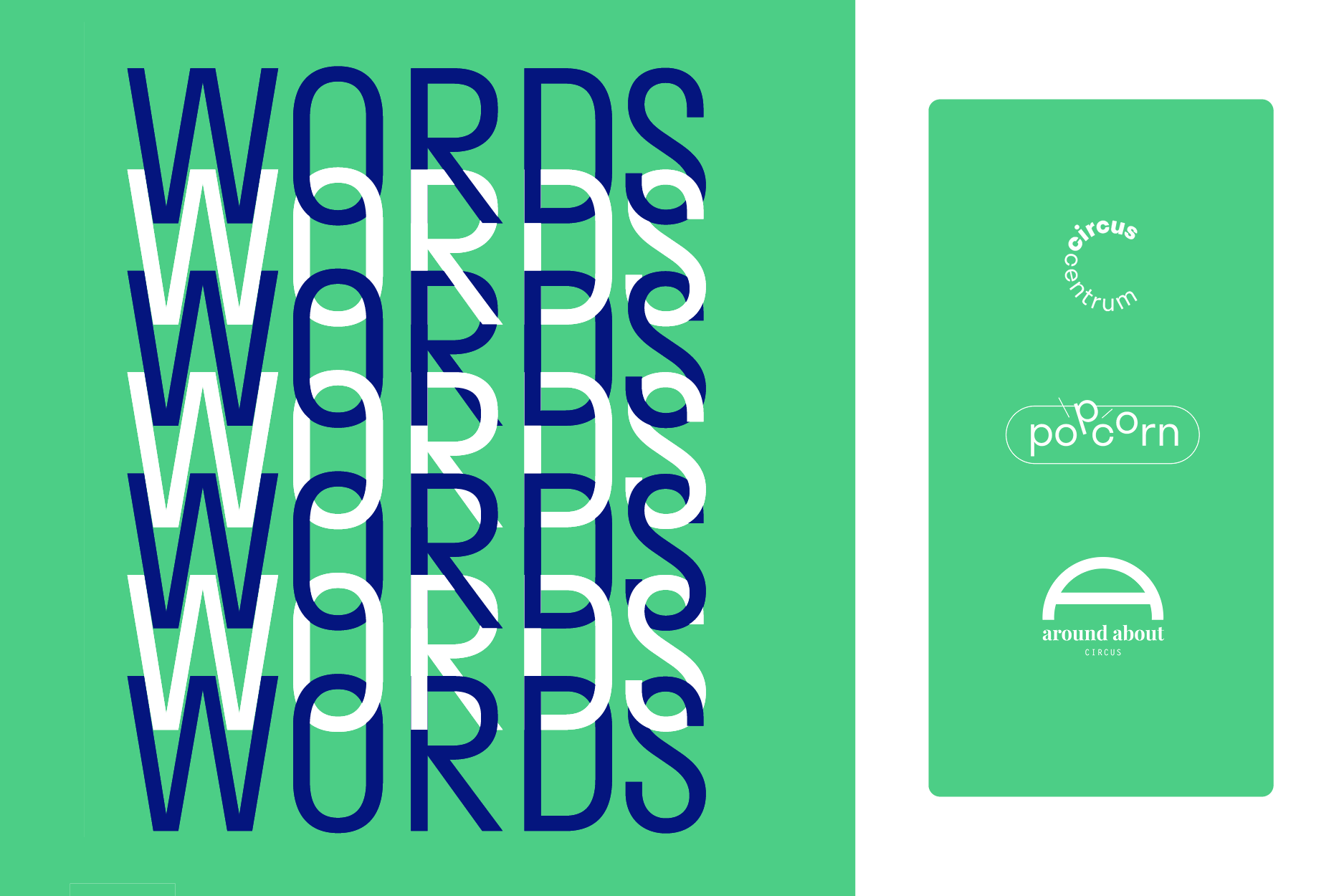
At the beginning of 2026, during the last edition of Smells Like Circus in Ghent, the Flemish circus arts centre Circuscentrum presented the thematic issue Popcorn: Circus & Words – dynamic perspectives on circus, dedicated to reflections on the relationship between circus and words.
In the editorial opening, the 2019-2026 Circuscentrum Director Noemi De Clerq explains the interest in curating this publication, pointing out the challenges of merging an embodied artistic practice such as circus with the necessity of telling stories:
How do you put circus into words? How rich or limited is the vocabulary that is currently at our disposal? What is the value of words within the circus arts? What do words add to a creation, in relation to the audience, in communication between artists in making a sector visible?
Popcorn: Circus & Words – dynamic perspectives on circus is a collection of points of view on the main theme, gathering insights and thoughts from several personalities in and out of Flanders, from artists to critics, putting on the spot the vital necessity of circus and words to combine a matching combo that complements each other.
As the Knowledge Officer and Editor-in-Chief, and now the new Director of Circuscentrum, Liv Laveyne highlights in her opening piece:
The digital magazine dives into the fascinating relationship between circus and words, with a focus on circus vocabulary, criticism and feedback, or ‘words in circus’, ‘circus in words’ and ‘worded responses’.
The publication is divided into three sections: WORDS IN CIRCUS, CIRCUS IN WORDS, and BACK WORDS.
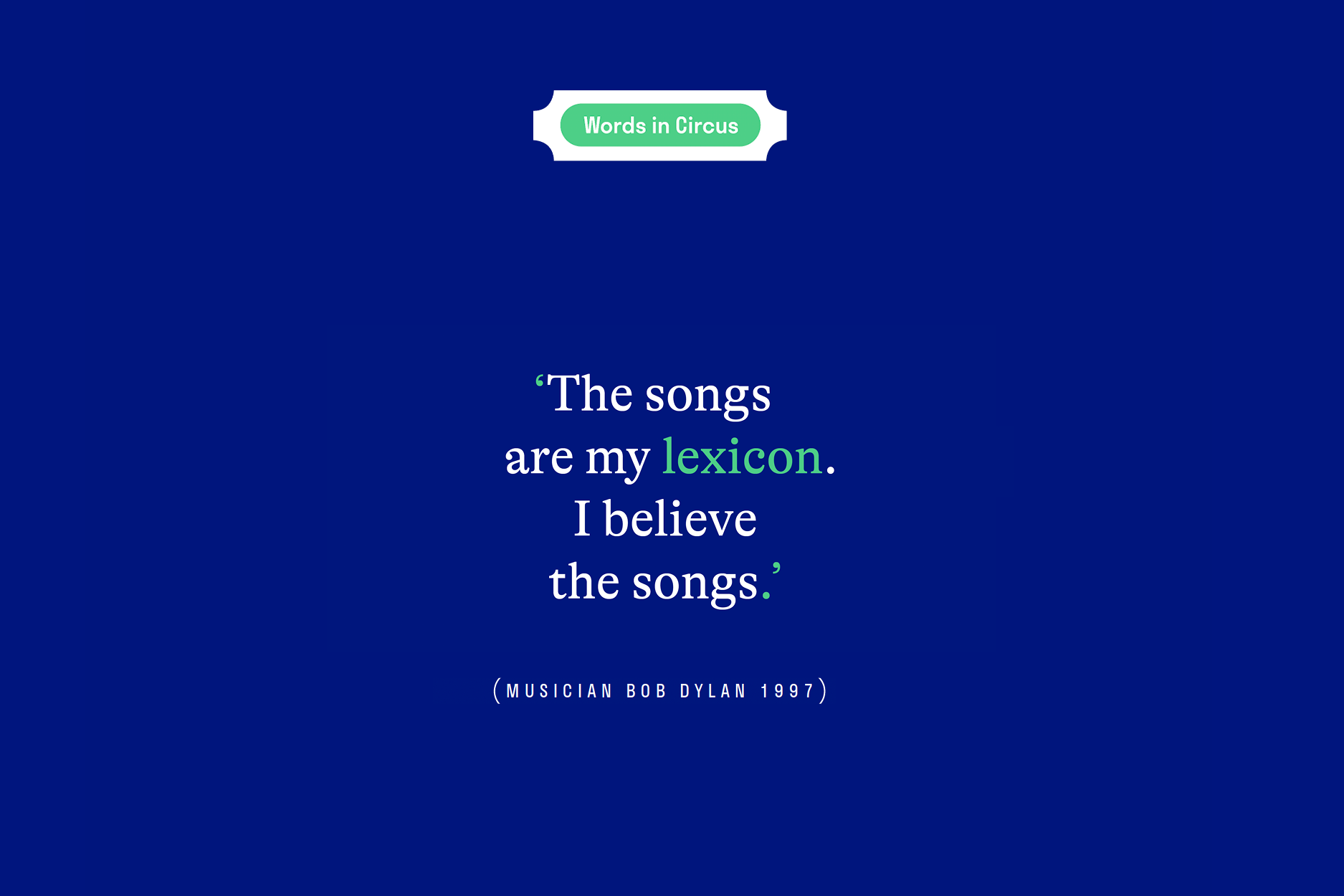
The first section, WORDS IN CIRCUS, explores the words we use to perform, describe and understand circus, with articles on the different approaches to the circus LEXICON, gathering reflections around the use of words in the circus sector.
The opening piece, In the Beginning There Was Circus by Liv Laveyne, opens on the position and significance of circus as an art form beyond word use, speaking frankly of the tricky bias around the word “circus”, which is still quite often used in common language with a negative connotation.
In the next article, No Art Without Criticism, Wouter Hillaert echoes the necessity of using words to explore and define what circus is nowadays through critics. The Flemish journalist and critic likens reviews to an impartial authority, a valuable source of insight into the curiosity surrounding a performance.
Each section of the magazine is combined with a different review produced during the Circus Criticism Trajectory, a training experience for writers and journalists interested in writing reflections on the circus art form, led by Circuscentrum together with the review platform pzazz for the years 2023-24. The eight participants attended a variety of circus performances at four different Flemish circus festivals throughout the year: Smells Like Circus (Ghent), CIRKL (Leuven), Cirk! (Aalst), and PERPLX (Kortrijk). In addition to the performances, post-show discussions and informal chats over drinks, there were also info sessions, conversations with artists and organisers, and plenty of reviewing.
The Speech is Silver? by Maarten Verhelst explores the use of words in a wordless art form. On the contrary, Words Are a Circus Discipline by Valentina Barone dives into the practice of Laura Murphy, Kathrin Wagner and Roxana Küwen Arsalan, three authors for whom the use of words has significant power in their current dramaturgy choices.
Open Letters to the Circus–10 Years Later by Liv Laveyne is a retrospective on the circus trajectory of dramaturg Bauke Lievens and her past project, now part of the rich digital archive The Circus Dialogues.
Boundaries Beyond Words by Elena Stanciu and Valentina Barone is an interview on the use of words in the artistic practice of the company Grensgeval.
The Mathematics Behind Language Browsing by Liv Laveyne explores Alexander Vantournhout’s own authorial circus lexicon.
The second chapter, CIRCUS IN WORDS, gathers ways of thinking about what happens when we put circus into words, taking a closer look at the role of CRITICISM in and around circus. A review can be a judgement, but it can also be a way of looking more closely: of creating distance, asking questions, and opening a conversation around an artwork.
The section starts with a contribution by Evelyne Coussens, A Labor of Love, on criticism between distance and proximity, followed by Maarten Verhelst’s reflection, Writing a Review is Terrifying, a journey into circus criticism in Flanders, which comes back to the Circus Critics Trajectory, interviewing some of the participants, and connects the trajectory to the Netherlands through the following content by Katrijn de Bleser, ‘Acrobatie’ or ‘Acrobatiek’.
The third and final part, entitled BACK WORDS, brings you into processes of creation, shifting from words used to explore and expand the significance of circus to the importance of giving feedback on work-in-progress productions using words to communicate impressions. How do you give feedback that helps? How do you listen without immediately defending your choices? And what tools can help artists navigate the vulnerable space of a work in progress? This section looks at FEEDBACK from different angles, giving it, receiving it and working with it, digging more into how it can make or break a creative process.
“Never say ‘Nice’. ‘Nice’ Means Nothing” is a reflection shared by the dramaturg and circus pedagogue Roberto Magro on the art of giving feedback.
Listening and Silence, on the art of receiving feedback, and A Toolbox for Circus Feedback, framing the good practices in place to shape productions in development, are two scientific writings on feedback methods by Liv Laveyne.
Reflections on feedback by Karlien De Savoy closes the loop of perspectives, touching on the freedom of choice in shaping your own show as an author while being deeply touched by the feedback practice.
The final pages of the issue, Circus Magazines Worldwide, zoom out the perspective on words in circus to end with a panoramic view of seven different circus media publications that are part of the circus media informal network INCAm. From Europe and beyond, each magazine founder has replied to the same questions, creating a mosaic of different approaches, visually or content-angle-wise, to what it means and how it shapes the process of publishing a circus media art form.
Explore the full publication HERE
Popcorn: Circus & Words – dynamic perspectives on circus is a publication of the Flemish circus arts centre Circuscentrum
EDITOR-IN-CHIEF Liv Laveyne
EDITORIAL Valentina Barone, Liv Laveyne, Maarten Verhelst
COVER DESIGN & ARTWORK PJOTR.be
CO-WRITE THIS ISSUE Valentina Barone, Evelyne Coussens, Katrijn De Bleser, Jasper Delva, Karlien De Savoye, Wouter Hillaert, Leonie Maes, Lina Matthys, Liv Laveyne, Tom Permentier, Elena Stanciu, Maarten Verhelst
IMAGES Cie Pol & Freddy, Stefan Gevaerts, Delphine Lebon, Anna Barclay Arnolfini, Matthias Ziemer, Carla Dacal, Jakob Rosseel, Bart Grietens, Maryan Sayd, Andy Paradise, Tom Van Mele, Michiel Devijver, Circuscentrum, Jan Castermans, Compagnie XY, Roberto Magro, Victoriano Moreno, Lien De Trogh, Sepideh Favardin, Natalie Glas, Heroen Bollaert (for PERPLX)
Every year, Circuscentrum zooms in on a single theme that resonates within the circus sector and beyond. We bring together knowledge and perspectives, draw connections, and open the debate. Through analyses, opinions, interviews, and good practices, we explore what is moving today, where the circus comes from, and which directions it can take.
The 2026 Circuscentrum theme focuses on DEMOCRACY