HEL Treats 2025: Glowing Lights and Dismantling Categories

In August 2025, Circus & Dance Finland invited international presenters, programmers and journalists to Helsinki. During the two-day programme of HEL Treats, we got a crash course in the work of more than 20 Finnish artists. As part of a professional group, I contributed to an article on the key traits of contemporary circus and dance aesthetics from a foreign perspective, focusing on Finnish productions. This piece is published in the annual Finnish Circus and Dance in Focus magazine in January 2026. You can read the full issue at this link.
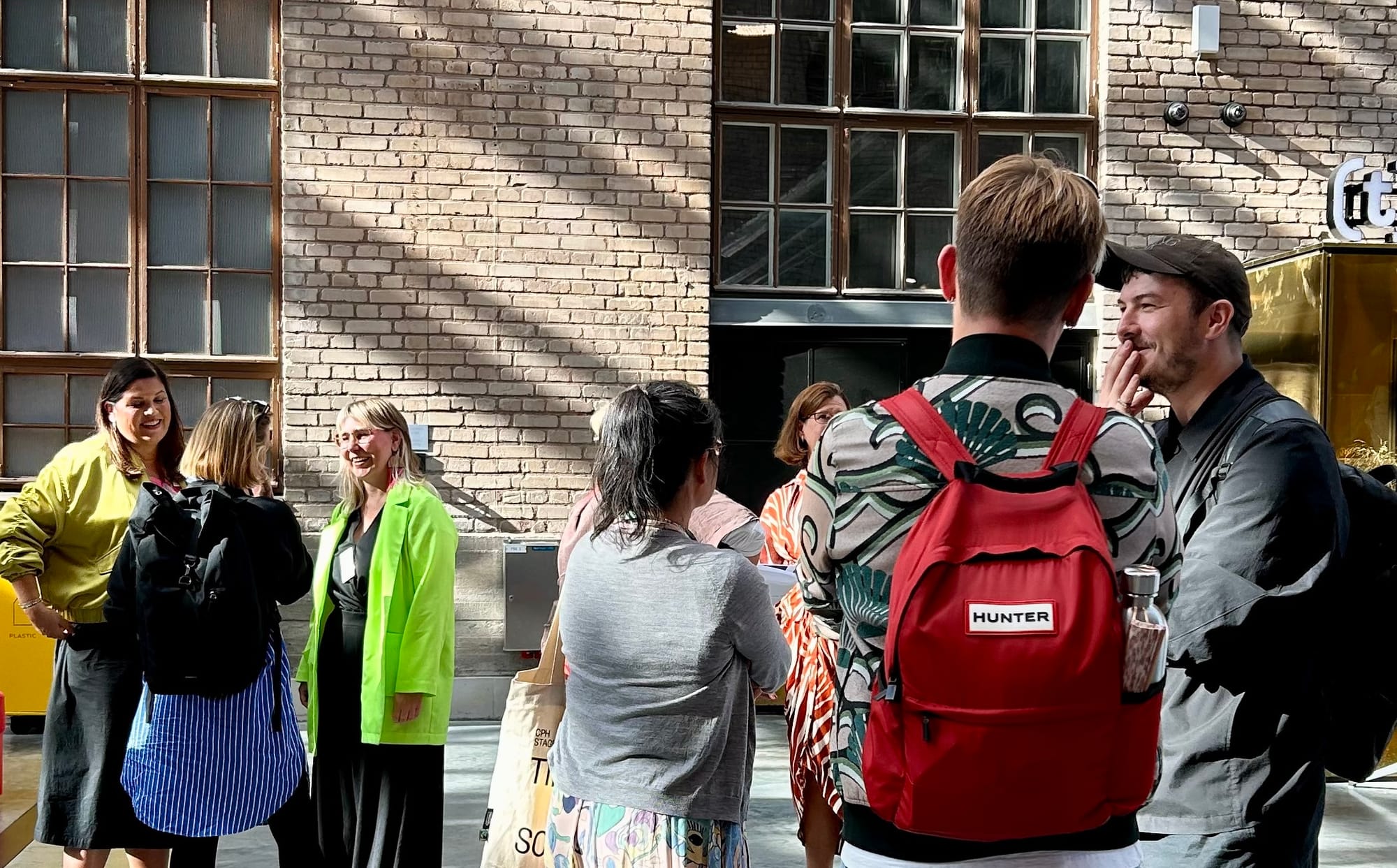
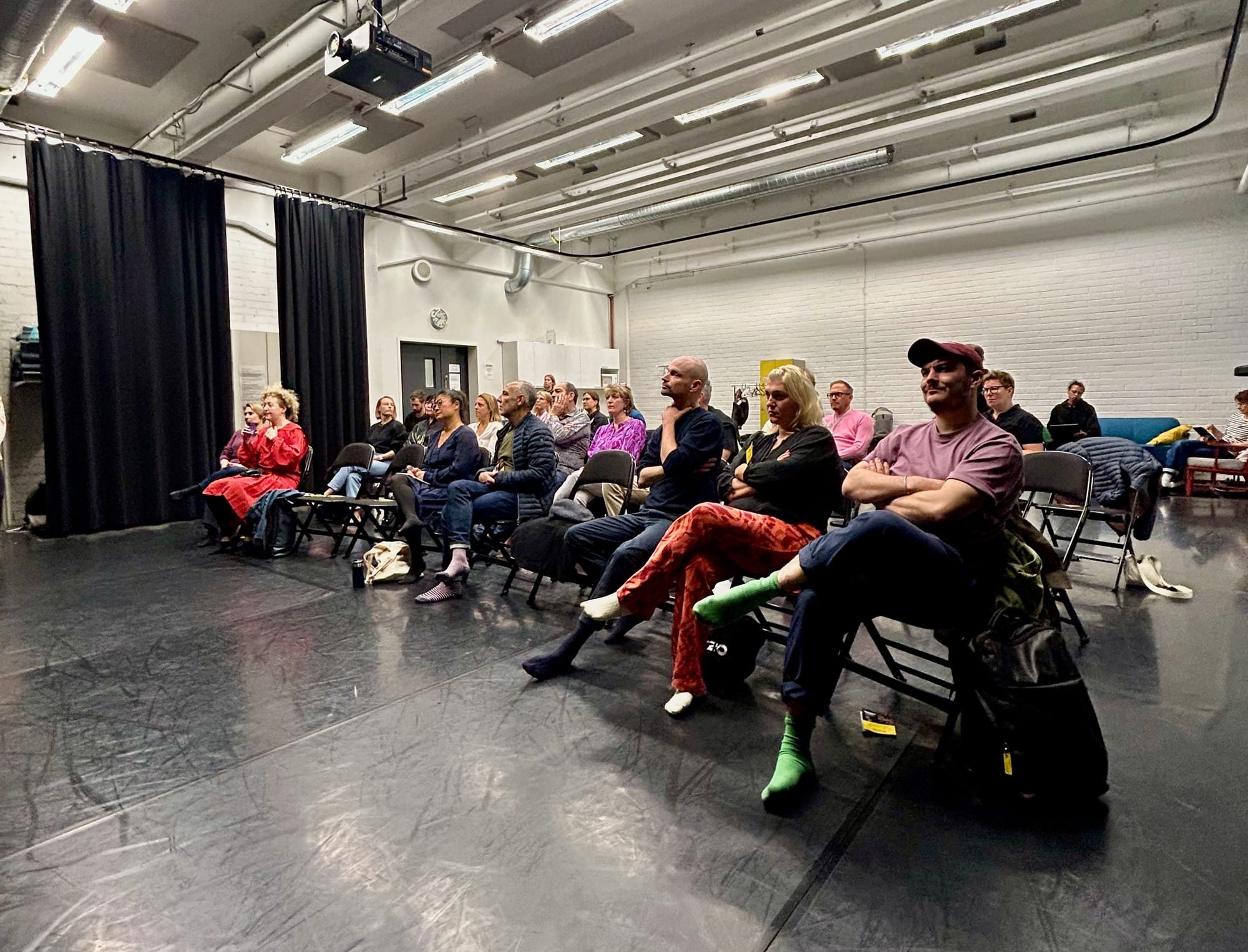
During the two-day HEL Treats visiting programme, we got a crash course in the work of more than 20 Finnish artists and companies and visited nine studios and venues, e.g., Cirko – Centre for New Circus and Zodiak – Centre for New Dance.
For a visiting foreign professional, Helsinki's Cable Factory represents a unique osmotic and energetic epicentre of cultural creativity. Once a site of heavy manufacturing, it’s now home to some of Finland’s leading visual arts and performing arts venues and organisations, including Tanssin Talo, Tero Saarinen Company, Wauhaus, and Zodiak. I found it fascinating how these distinct artistic organisms coexist within a shared architectural and cultural ecosystem, contributing to the vitality of the performing arts production.
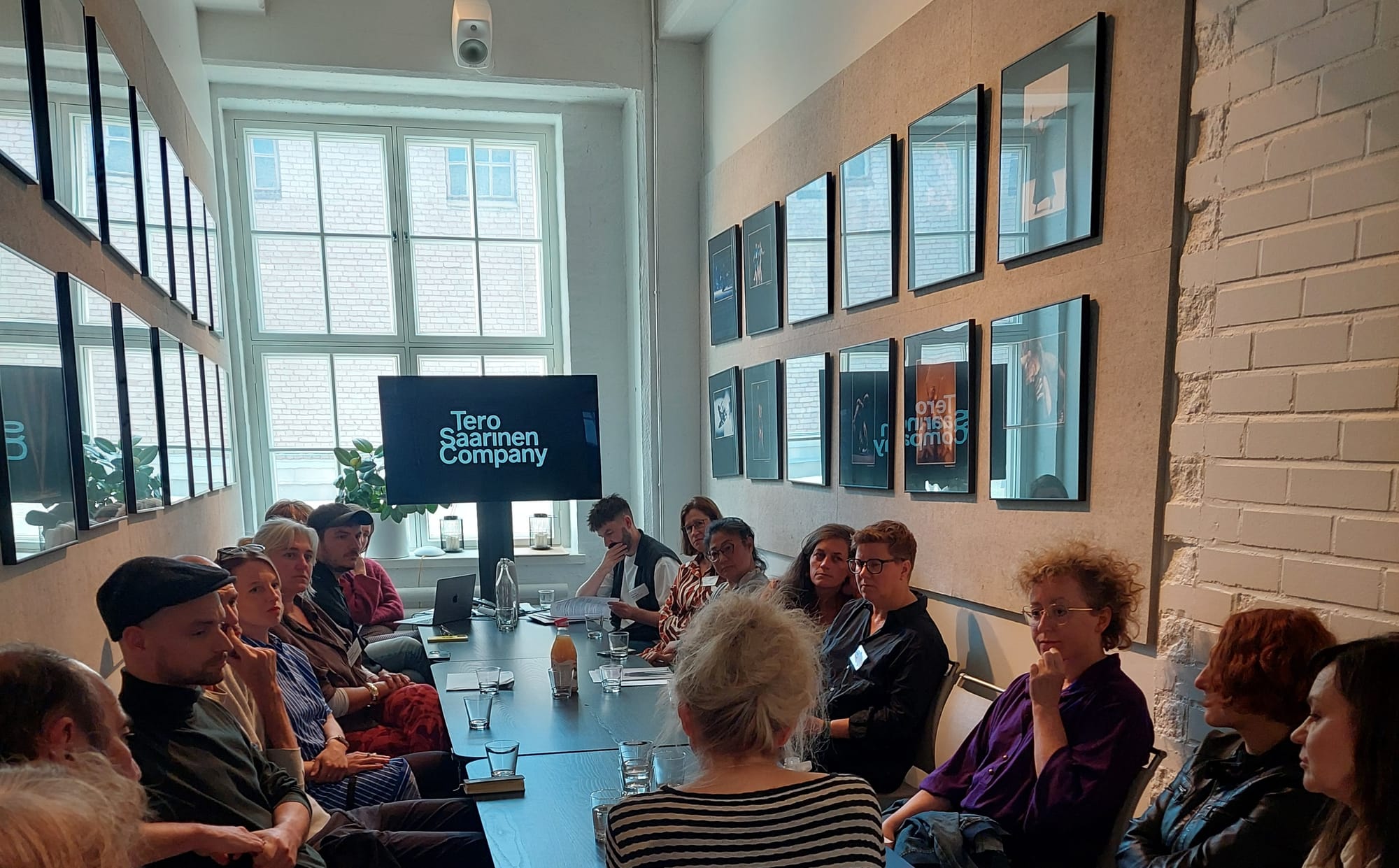
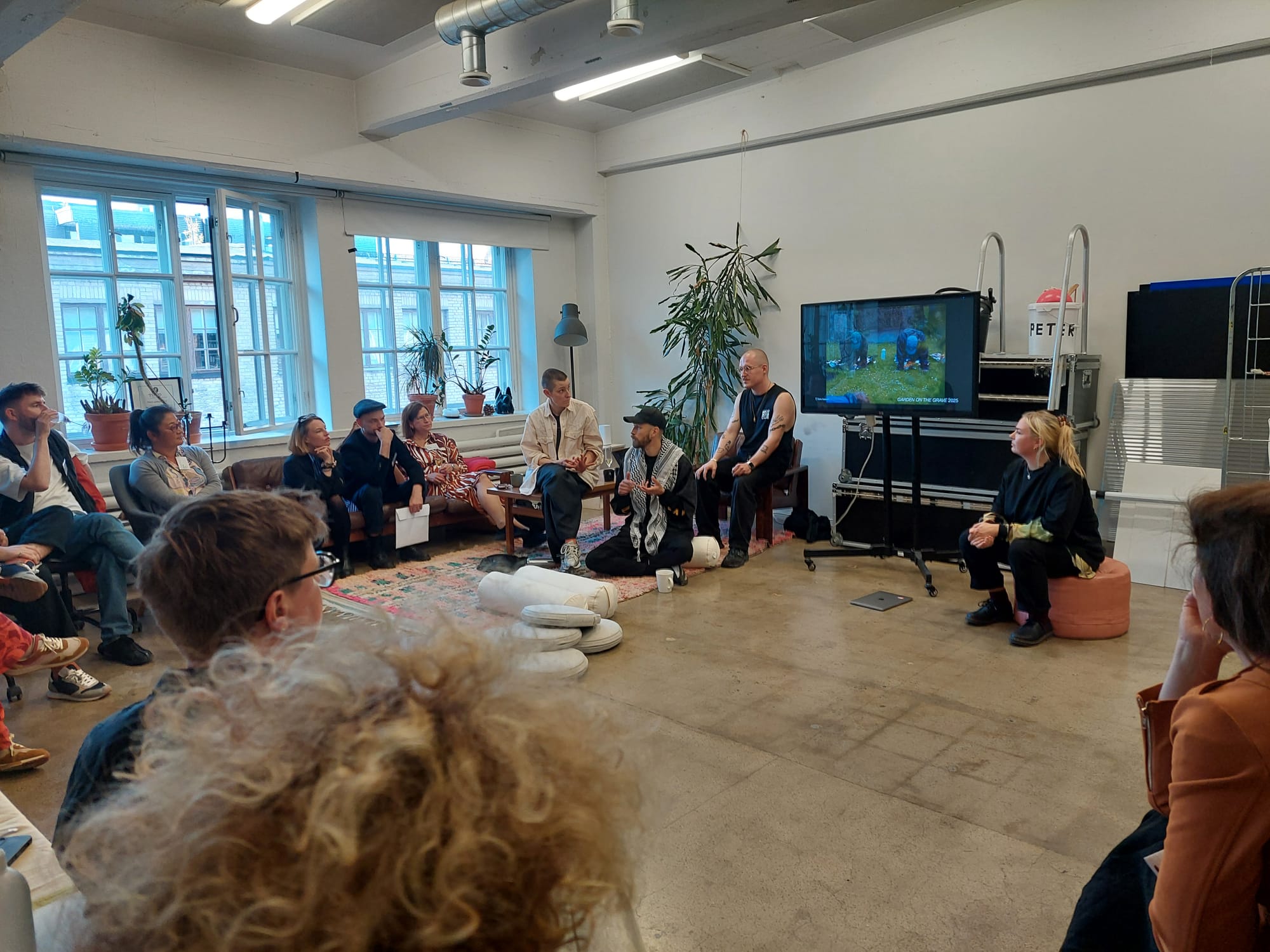
Across Europe today, performing arts are increasingly interdisciplinary, and the borders between disciplines have become increasingly porous: dance meets installation, circus merges with theatre, and visual arts inform performance. Within this landscape, the Finnish scene distinguishes itself through a refined relationship to light, spatial awareness and architectural atmosphere.
Circus: Light as a Spatial Architecture
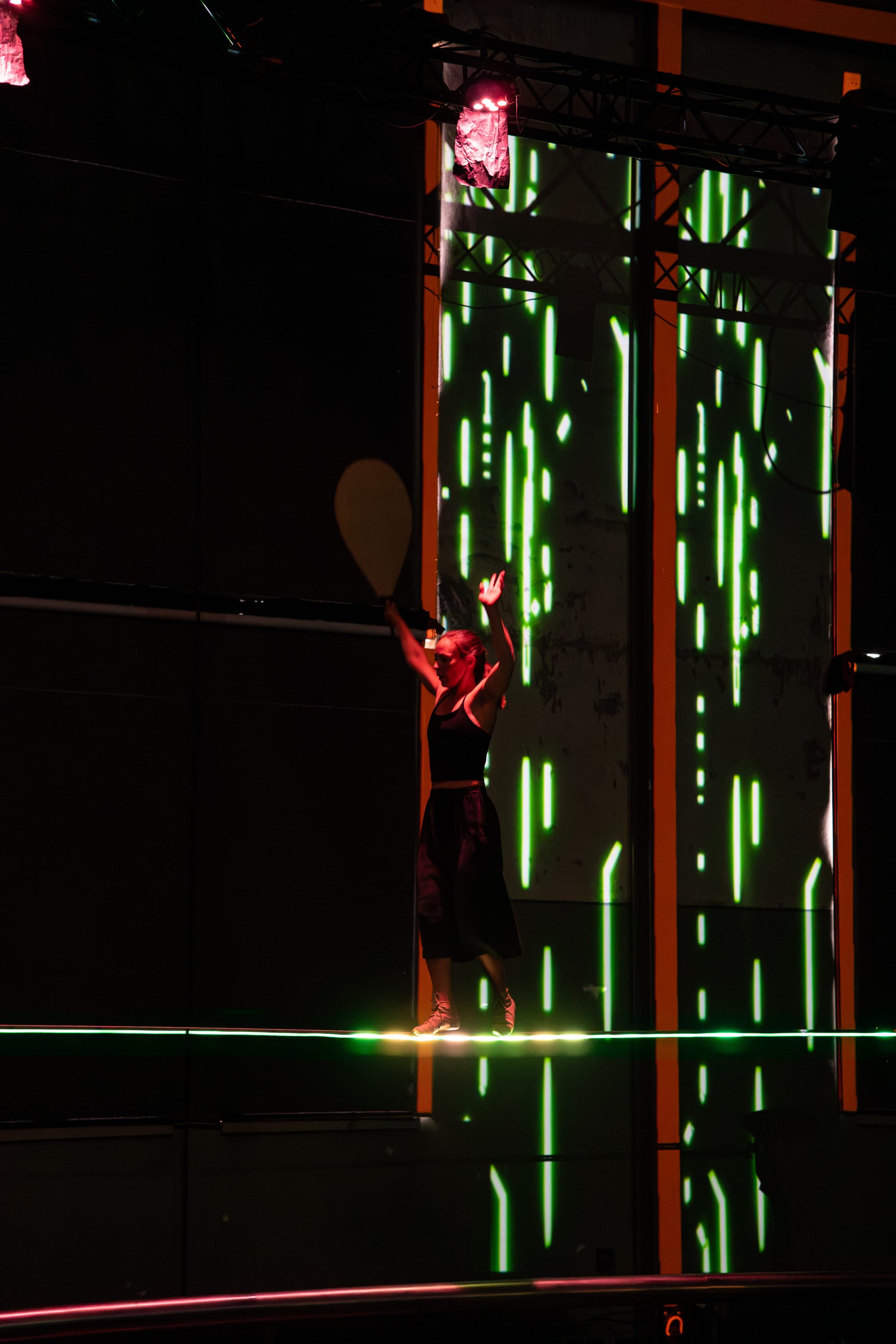
Blind Gut Company presented an extract from Umbra, a site-specific performance to be staged in the Kalasatama district in October 2025. Using glowing juggling sticks, aerial choreography, and digital projections, they transform an underused urban area into a luminous meeting place. The piece connects to Europe’s ongoing fascination with site-based work but speaks in a uniquely Finnish visual language, sculpted from light, powerful colours and suggestive electronic music.
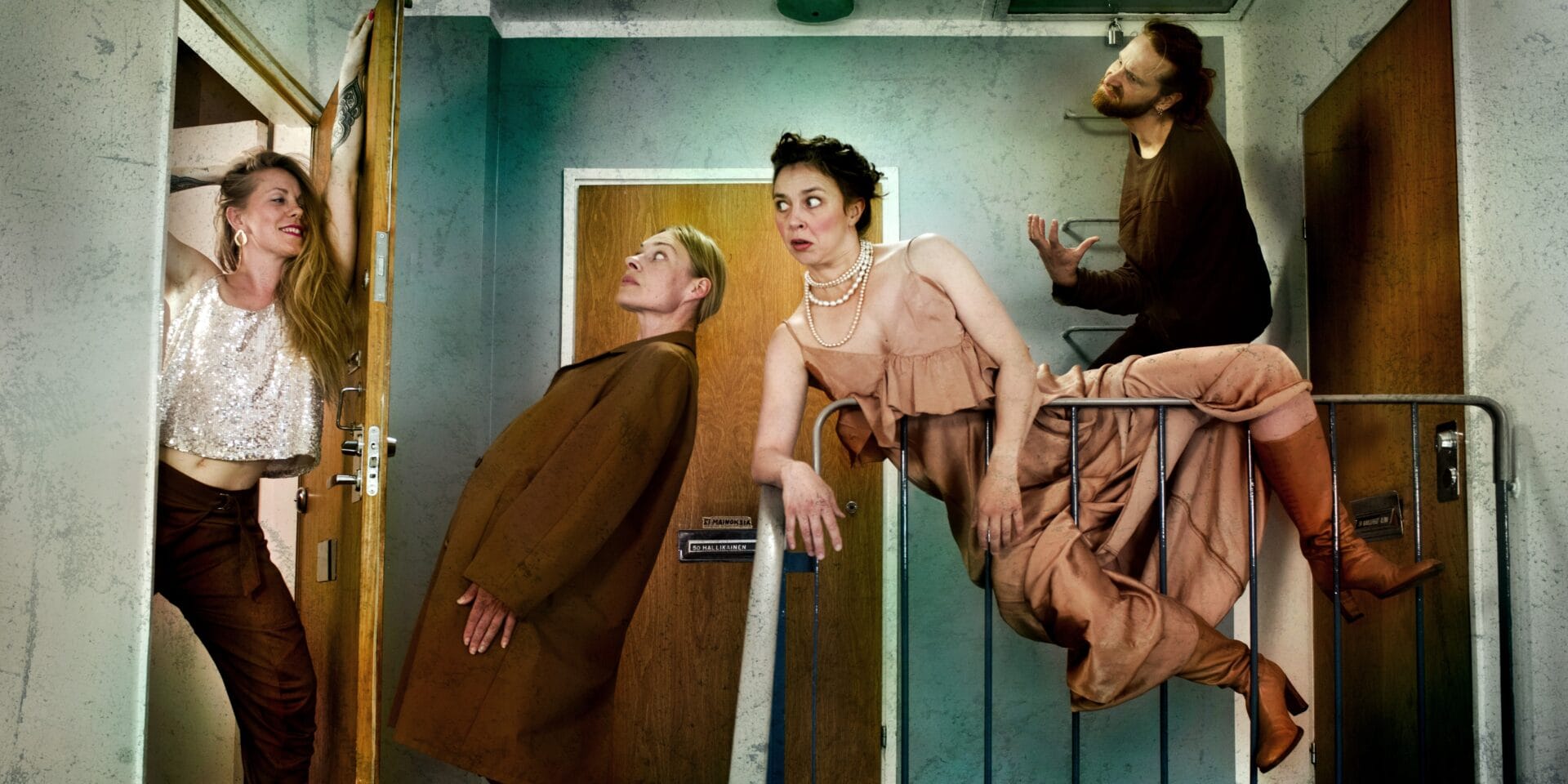
As if a tableau vivant suddenly animates, in Naapuri / Neighbour, Sivuun Ensemble & Kallo Collective invite the audience into an imagined apartment block, each performer framed in a window-like cell. Space is edited through light, framing and rhythm rather than by narrative sequence, reflecting a recent artistic trend toward social intimacy in Europe, where artists focus more on micro-level observation and human-scale storytelling. Yet Sivuun Ensemble & Kallo Collective transform this lens into something distinctly Finnish: a balance of humour and spatial choreography that turns everyday domesticity into an intimate stage film.
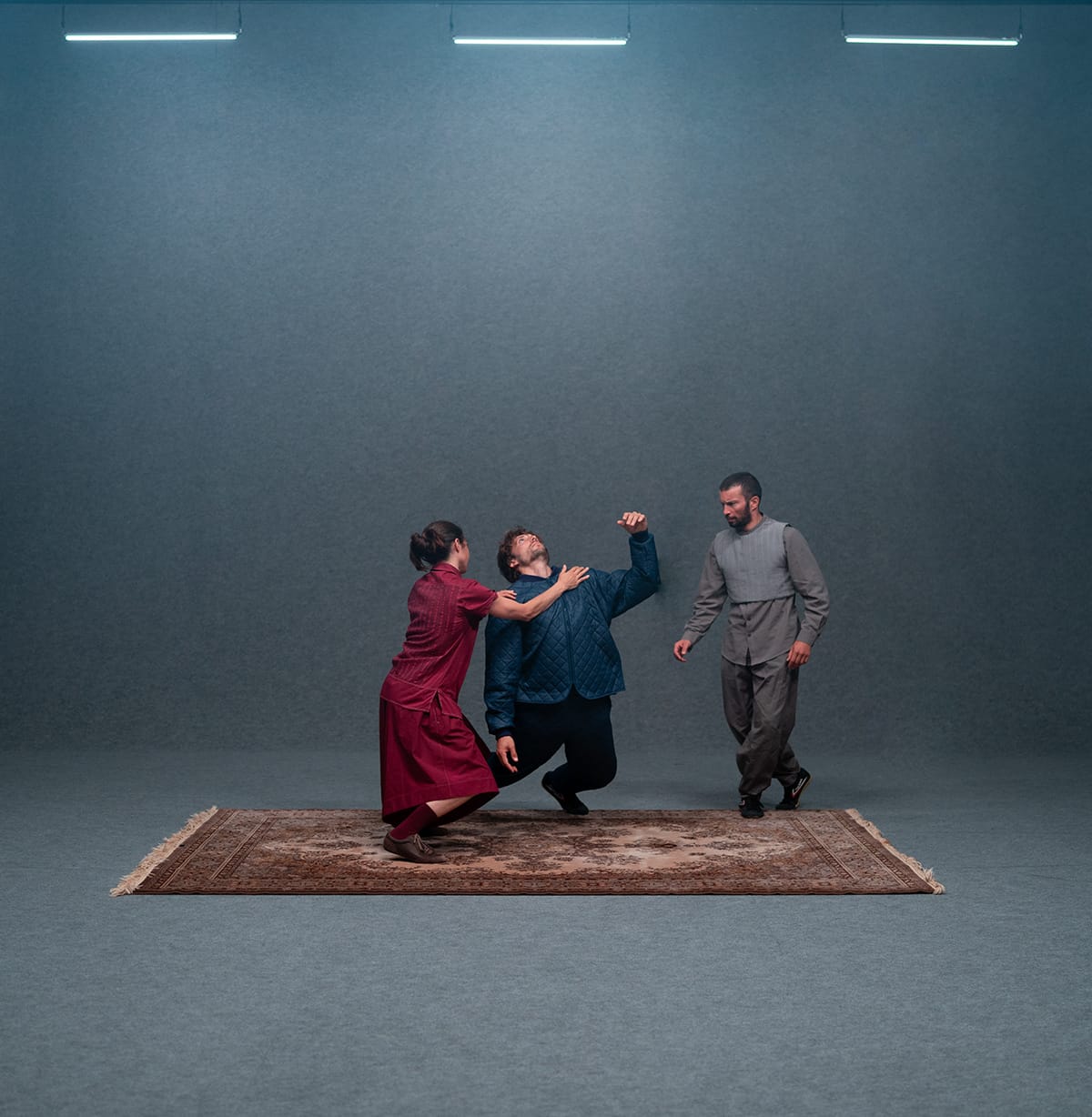
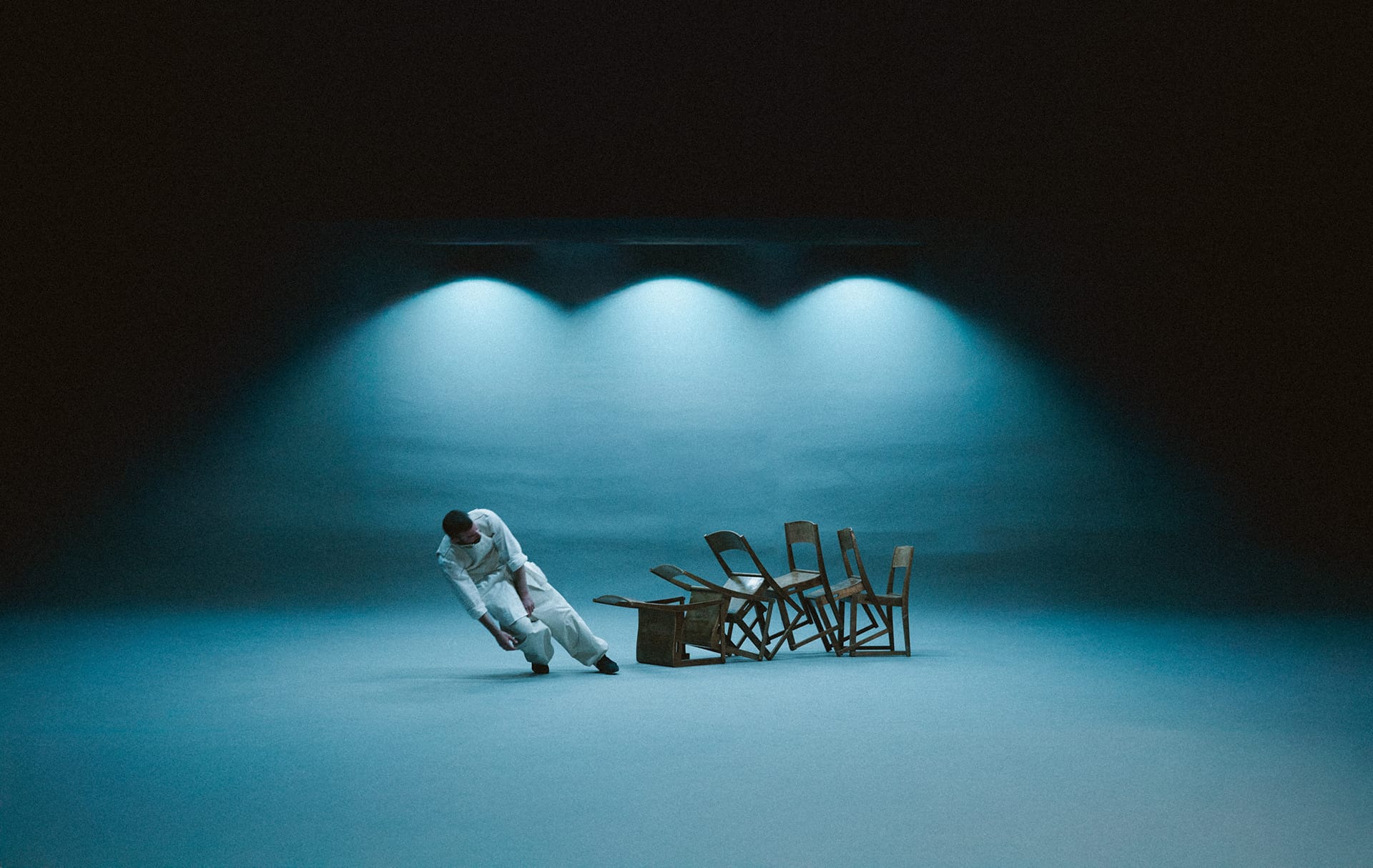
Tempo offered another kind of magic. Three dancers navigate chairs, a lamp, and a carpet as a room hovers between gravity and dream. The work draws the audience into a cinematic reflection on time and perception. Its slow motion and gravitational play recall a circus negotiation between weight and suspension. However, here, motion becomes meditation, and the laws of physics turn poetic. Sharing affinities with European visual theatre, the collaboration between visual artist and magician Kalle Nio and choreographer Fernando Melo transforms illusion into introspection. A dialogue of darkness and light that feels deeply Finnish.
Dance: Expanded Practices for Dismantling Categories
Across international stages, artists are increasingly treating the body not as an expressive vessel, but as a site of material negotiation, at the intersection of ecology, architecture, and somatic transformation. At Zodiak, the following day’s pitches focused on creative process and artistic philosophy, giving insight into how Finnish experimental dance engages with broader European conversations around materiality, ecology and identity.
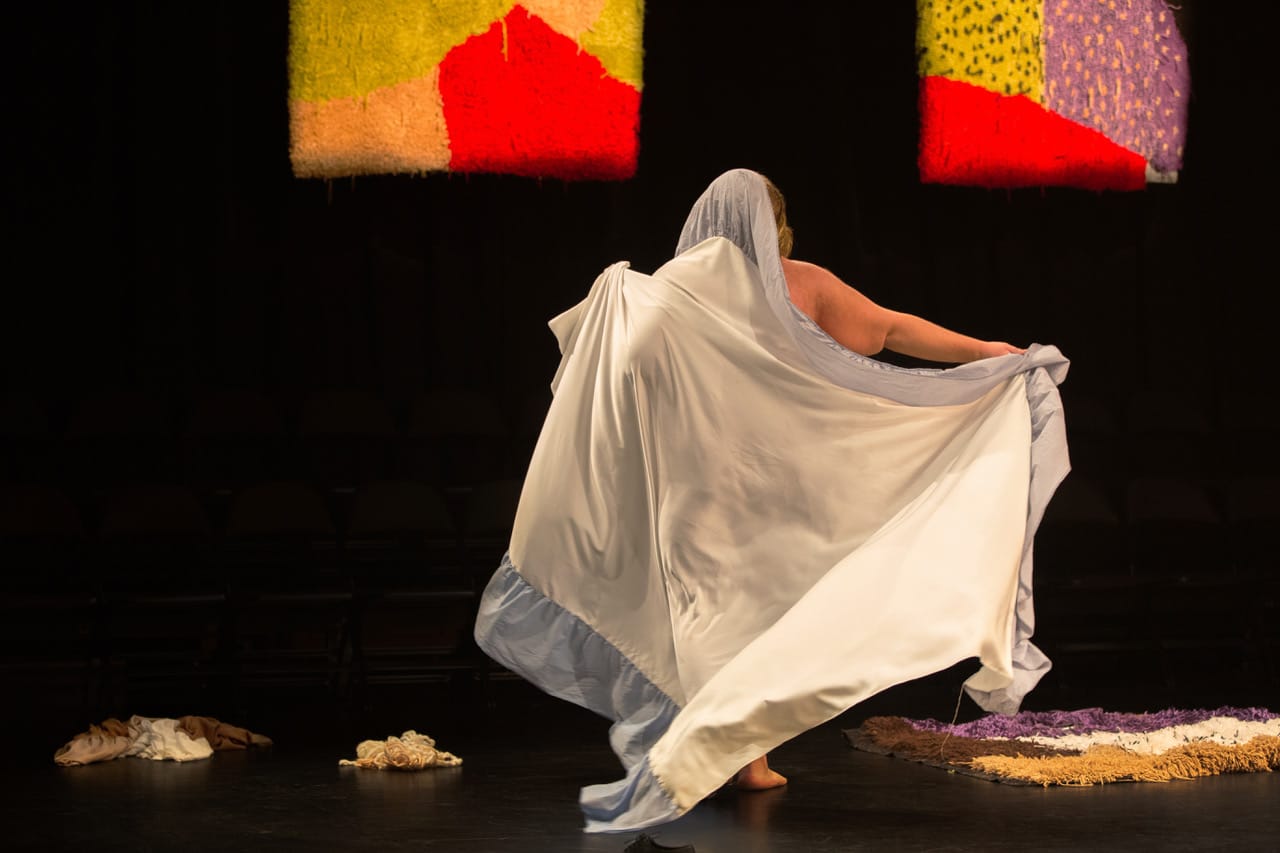
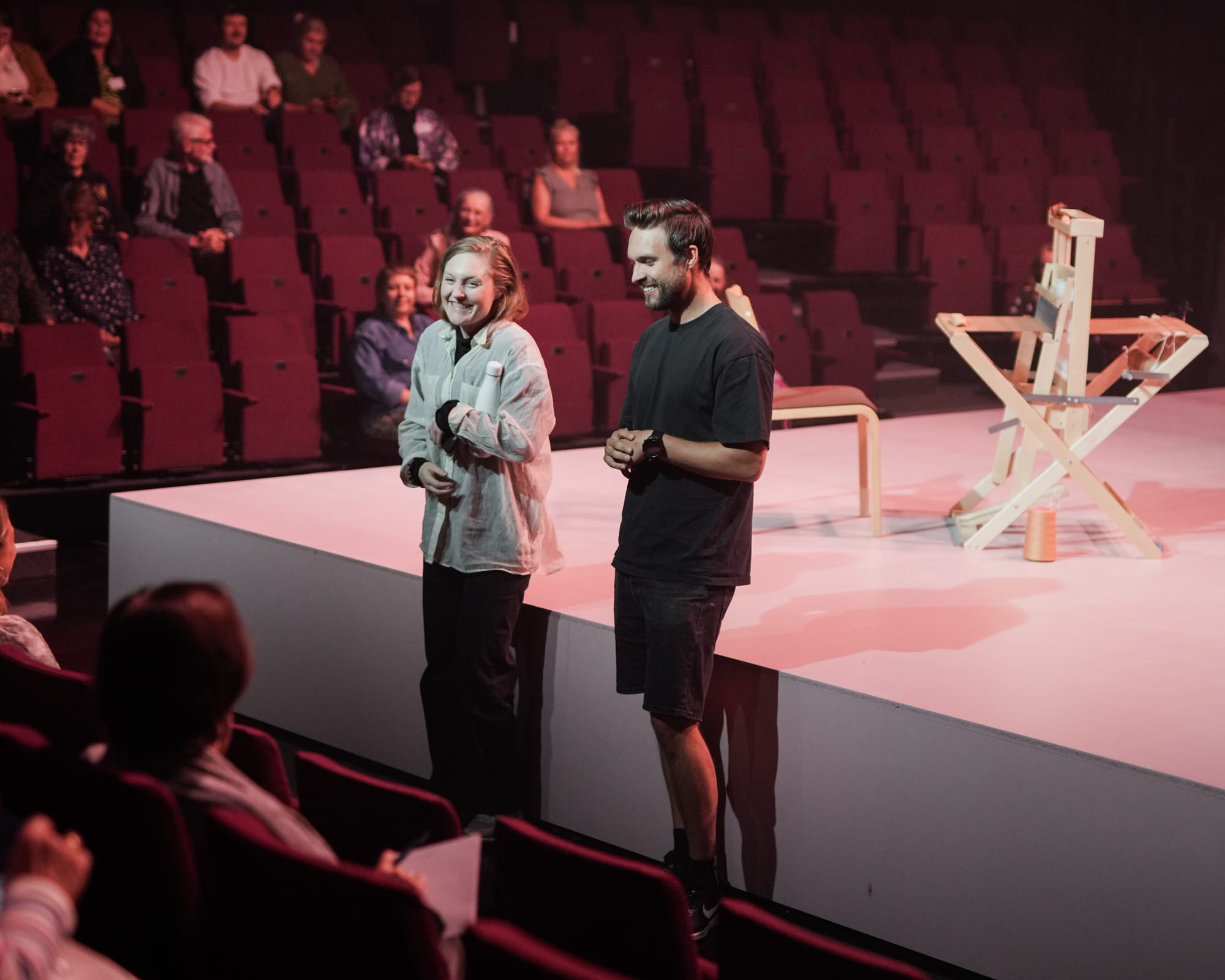
Sonja Jokiniemi presented her interdisciplinary research, combining performance, textiles and installation. Her work resonates with European debates on post-humanism and neurodiversity, retains a personal, hand-made intimacy expressed through texture, drawing and gesture mixed with a deep interest in language systems and psychonormativity. Drawings, textiles, props, and installations are not stage decorations but thinking surfaces. From her previous performance, Blab to ÖH, she stages the act of touching as a method of knowing, making the sensory contact between body and object a site of philosophical inquiry, overcoming spoken dialogue in favour of a broader communication.
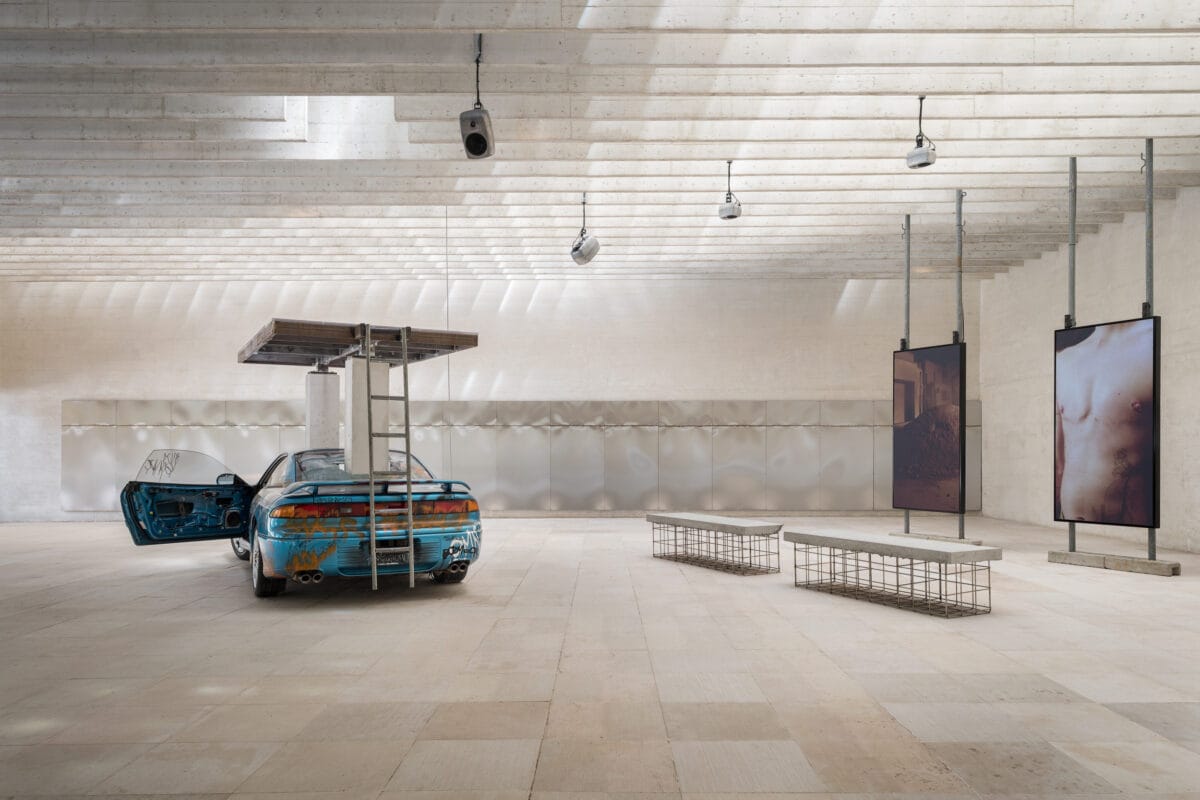
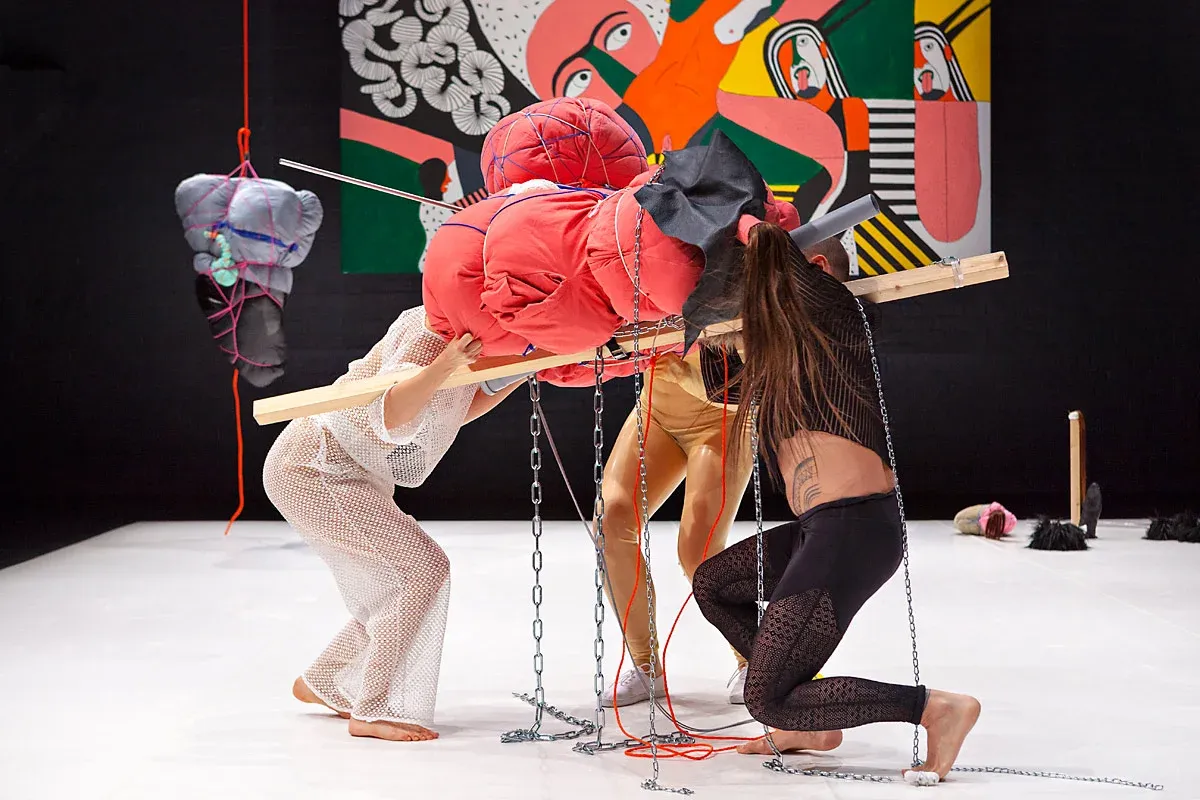
With his body-utopian approach to ecological collapse, Teo Ala-Ruona’s interdisciplinary practice resonates with international trends in queer and ecological performance. In his endurance performance Industry Muscle: Five Scores for Architecture, the body becomes a network of environmental and industrial metaphors, extending contemporary dance’s preoccupation with durational practice, somatic endurance, and spatial embodiment to question anthropocentric and cis-heteronormative models of being. The trans body itself becomes speculative architecture, a structure capable of resisting normative constraints while imagining alternative modes of inhabiting a collapsing world.
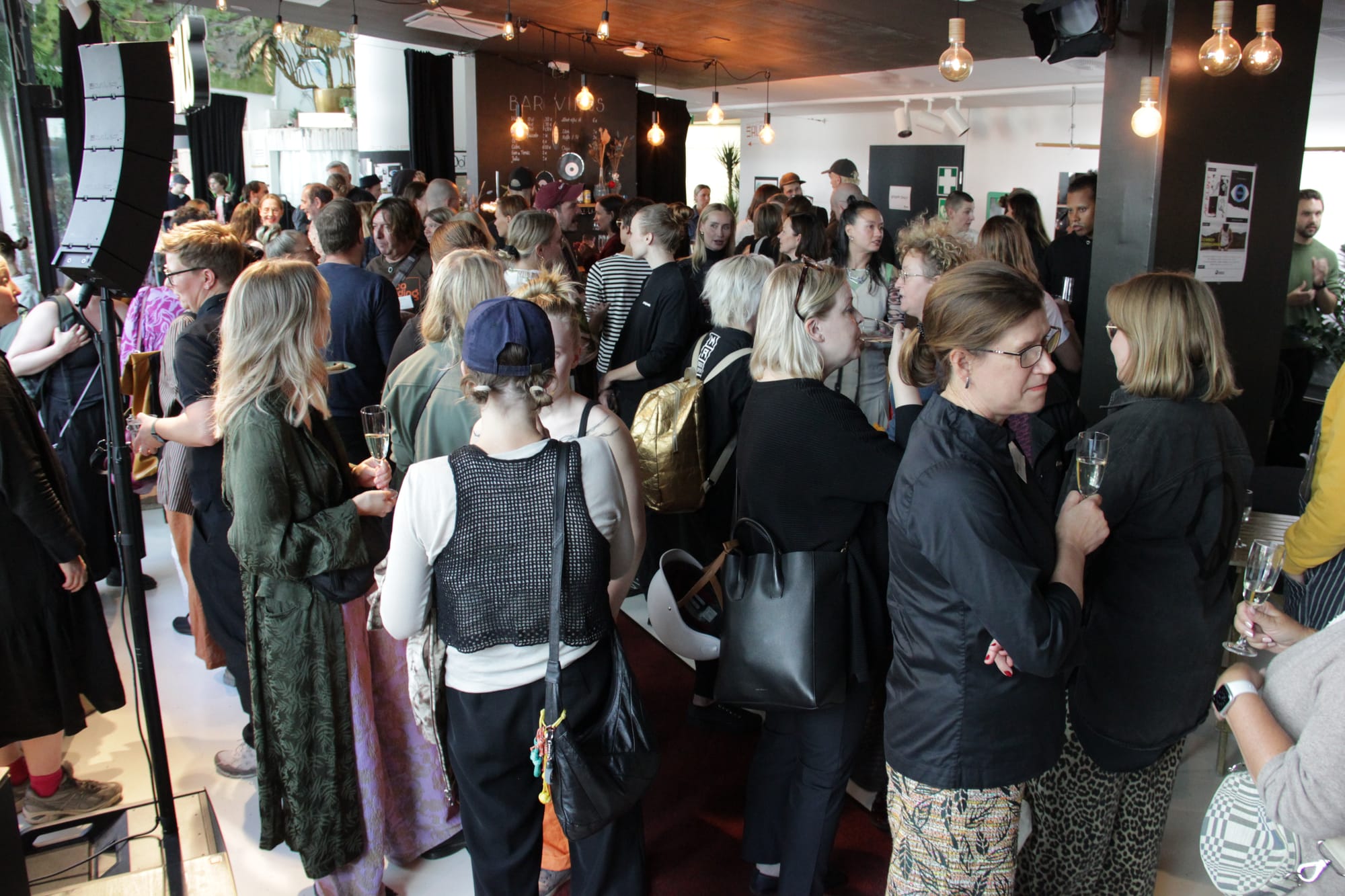
Seen through HEL Treats, Finnish performing arts emerge as both connected to and distinct from Europe’s broader circus and dance trends, with a tone grounded in space and material, combined with a deep sensitivity to how individual and collective identities take shape in performance.
We often say that after the pandemic, we need to do less and do it better. HEL Treats demonstrated that it is possible to condense a short program without losing intensity. Its compact format favoured genuine dialogue, creating space for reflection and connection among the participants. I would have had room for one more show, but I savoured its absence like a refreshing fast.
HEL Treats 2025 was organised by Circus & Dance Finland in collaboration with TINFO Theatre Info Finland, Helsinki Festival, & Espoo Theatre, Zodiak – Center for New Dance, Cirko – Center for New Circus, and Viirus Theatre. It was supported by the Ministry for Foreign Affairs of Finland. The next HEL Treats is planned for 2027.